

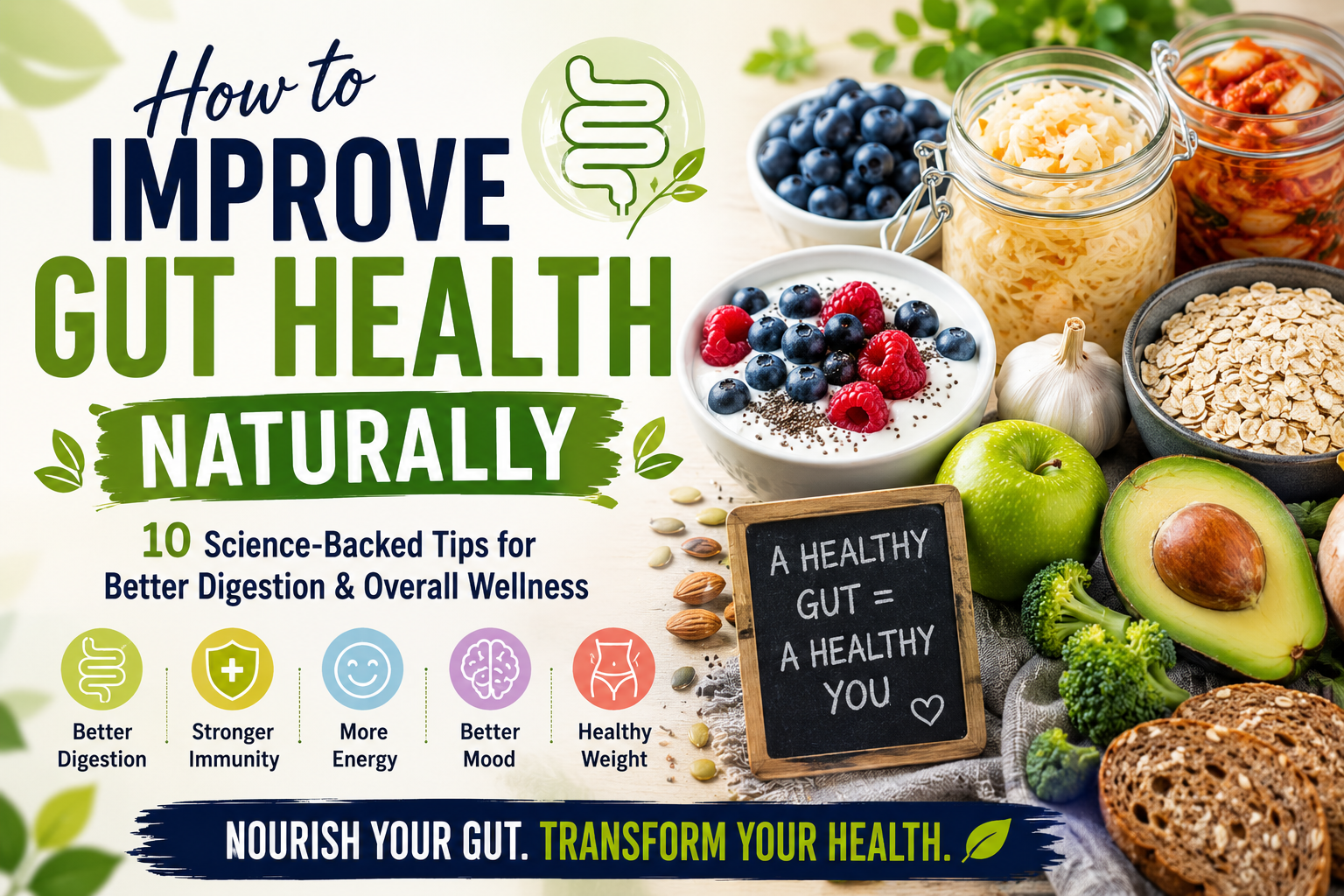
How to Improve Gut Health Naturally: Most people don’t think about their gut until something goes wrong. Bloating after every meal. Energy that crashes by 2pm. Digestion that’s either too fast or too slow, never just normal.
Here’s the thing — your gut isn’t just a digestion machine. It talks to your brain, trains your immune system, and produces compounds that affect everything from your mood to how well you sleep. When it’s off, you feel it everywhere, not just in your stomach.
The good news is you don’t need an expensive protocol to fix it. These 10 habits are practical, backed by research, and actually doable.
Why Your Gut Microbiome Is Worth Caring About
Your digestive tract holds trillions of bacteria, fungi, and other microorganisms — collectively called the gut microbiome. A healthy microbiome helps break down food, produce certain vitamins, regulate inflammation, and keep pathogens in check.
Disrupt that balance — through poor diet, stress, antibiotics, or poor sleep — and things go sideways fast. Bloating, constipation, weakened immunity, brain fog. The microbiome is surprisingly sensitive, but it’s also surprisingly responsive to change.
1. Eat More Fiber (Most People Are Getting Less Than Half Enough)
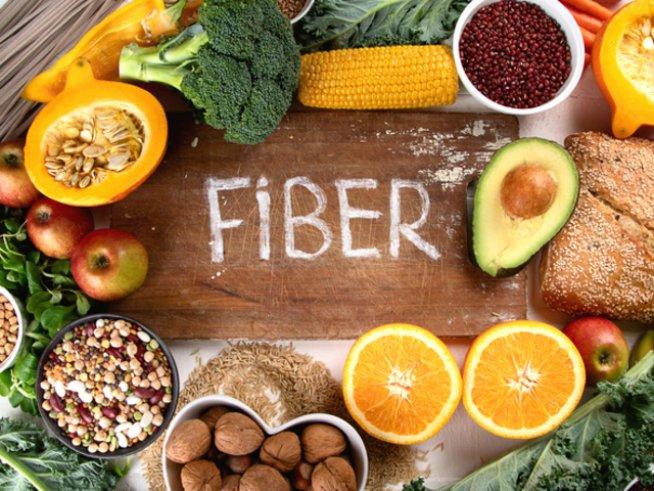
The average American gets about 15 grams of fiber per day. The recommended amount is 25–38 grams. That gap matters, because fiber is what most beneficial gut bacteria actually eat.
Without enough of it, those bacteria don’t just get hungry — they start feeding on the mucus lining of your gut instead. That’s as bad as it sounds.
Good sources to work into daily meals:
- Oats, lentils, beans
- Apples, pears, bananas
- Broccoli, carrots
- Chia seeds, flaxseeds
You don’t need to overhaul everything at once. Add one fiber-rich food per meal and your microbiome will notice.
2. Include Fermented Foods Regularly
Fermented foods contain live bacteria that can directly add to your gut’s microbial diversity. A 2021 Stanford study found that a diet high in fermented foods increased microbiome diversity more effectively than a high-fiber diet alone — and reduced markers of inflammation.
The options aren’t as limited as people think:
- Plain yogurt (look for “live active cultures” on the label)
- Kefir — even easier to digest than yogurt for many people
- Kimchi and sauerkraut — cheap, shelf-stable, and genuinely effective
- Miso and tempeh if you cook with them anyway
You don’t need all of them. Pick one or two you’ll actually eat.d support immune health.
3. Feed Your Gut Bacteria With Prebiotics
Prebiotics are types of fiber that your body can’t digest but your gut bacteria can. Think of them as fertilizer for the good microbes you already have.
Foods that are naturally high in prebiotics:
- Garlic and onions (cook them if raw bothers you)
- Bananas, especially slightly underripe ones
- Asparagus
- Oats
- Chicory root — highest prebiotic concentration of any food, but also the most likely to cause gas at first
If you eat fermented foods and prebiotic foods together, the effect compounds. The bacteria you’re adding have something to eat.
4. Drink Water Consistently (Not Just When You’re Thirsty)
Thirst kicks in after you’re already slightly dehydrated. By that point, your digestive system is already slowing down.
Water keeps things moving through your intestines, helps your gut lining stay intact, and supports the mucus layer that beneficial bacteria live in. Constipation is often just chronic low-grade dehydration.
One practical habit: drink a glass of water first thing in the morning before coffee. It doesn’t require any willpower after the first week.
5. Limit Ultra-Processed Foods
Highly processed foods often contain added sugars, unhealthy fats, and artificial ingredients that may negatively affect gut bacteria.
Foods to Limit
- Sugary snacks
- Soft drinks
- Fast food
- Packaged desserts
- Processed meats
Choose whole, minimally processed foods whenever possible.

5. Cut Back on Ultra-Processed Foods
This one is hard because ultra-processed foods are everywhere and they’re designed to be convenient. But the research on their effect on gut bacteria is fairly consistent — they reduce diversity, feed harmful strains, and disrupt the gut lining over time.
The main culprits:
- Sugary drinks and snack foods
- Fast food and packaged desserts
- Deli meats with lots of additives
You probably can’t eliminate these entirely, and you don’t have to. But shifting the ratio — more whole foods, fewer packaged ones — makes a real difference over weeks and months.
6. Take Stress Seriously, Not Just As a Mood Issue
The gut-brain connection is direct and bidirectional. Stress triggers physical changes in your gut: it slows digestion, alters what bacteria thrive, and increases intestinal permeability (what people sometimes call “leaky gut”).
A lot of people treat chronic stress as normal background noise. Their gut pays the price for it.
Stress reduction doesn’t have to mean meditation if that’s not your thing. A 20-minute walk, 10 minutes of deliberate breathing, journaling, or even just leaving your phone in another room during meals — these are real interventions, not wellness fluff.
7. Exercise — Even Moderate Activity Changes Your Microbiome
Physical activity directly increases microbial diversity in the gut. Studies have found that athletes have significantly more diverse gut bacteria than sedentary people, independent of diet.
You don’t need to train like an athlete to get some of this benefit. Thirty minutes of walking, cycling, or swimming most days is enough to see changes within a few weeks.
Yoga is worth mentioning separately — it combines movement with stress reduction, which means it addresses two gut health factors at once.
8. Prioritize Sleep More Than You Probably Do
Poor sleep doesn’t just make you tired. It disrupts the gut microbiome, increases gut permeability, and raises inflammation markers. One night of bad sleep can measurably shift bacterial composition. Chronic poor sleep does real lasting damage.
The basics most people skip:
- Same bedtime and wake time every day (yes, weekends too)
- No screens in the 30–60 minutes before sleep
- Bedroom dark and cool — around 65–68°F / 18–20°C works for most people
- No heavy meals within 2–3 hours of bed
Seven to nine hours is what most adults actually need, not what they think they can get away with.
9. Reduce Added Sugar — But Be Specific About Where It’s Coming From
Sugar isn’t equally distributed in people’s diets. For most people, the biggest sources are drinks (sodas, juices, sweetened coffees), flavored yogurts, and packaged sauces and condiments.
Excess sugar feeds pathogenic bacteria and reduces populations of beneficial ones. Cutting the obvious sources first — sugary drinks especially — tends to have an outsized effect relative to the effort.
Practical swaps that don’t feel like punishment:
- Sparkling water instead of soda
- Plain yogurt with fruit instead of flavored yogurt
- Herbal tea instead of a second sweetened coffee
10. Eat Slower
This sounds too simple to work. It isn’t.
Digestion starts in the mouth. Chewing thoroughly breaks food down before it hits your stomach, which reduces fermentation and gas. Eating fast also tricks your hunger signals — you eat more before your body registers fullness, which stresses the digestive system.
Put your fork down between bites. Eat without your phone. Chew until food is actually liquid before swallowing. These feel awkward for about a week and then become automatic.nutrient absorption.
How You’ll Know It’s Working
Gut health improvements aren’t dramatic — they’re gradual and easy to miss if you’re not paying attention. Signs things are shifting in the right direction:
- Bloating becomes less frequent and less severe
- Bowel movements become more regular and easier
- Energy is steadier through the day
- You get sick less often
- Mood is more stable (this one surprises people, but the gut-brain connection is real)
Give it at least four to six weeks of consistent habits before judging results.
The Bottom Line
None of this requires supplements, special diets, or spending money you don’t have. Eat more fiber, add some fermented foods, drink enough water, move your body, manage stress, sleep properly, and slow down when you eat.
Pick two or three of these to start. Build from there. Your gut responds faster than most people expect — sometimes within days, more reliably within weeks.
10 Healthy Morning Habits That Can Transform Your Health Naturally
Disclaimer: This content is for informational purposes only and does not constitute medical advice. Consult a qualified healthcare provider before making significant changes to your diet or lifestyle.
What’s the fastest way to improve gut health?
Adding fermented foods and increasing fiber intake tends to produce the quickest measurable changes. Most people notice a difference in digestion within 1–2 weeks.
Do you need probiotic supplements?
For most healthy people, no. Fermented foods provide live bacteria in a food matrix your body absorbs well. Supplements can help in specific situations — after antibiotics, for instance — but they’re not a daily requirement.
Which foods heal the gut naturally?
Yogurt, kefir, oats, bananas, berries, leafy greens, beans, and fermented foods are commonly associated with better gut health.
Which foods are best for healing the gut?
Yogurt, kefir, oats, garlic, bananas, leafy greens, and beans consistently show up in gut health research. No single food is a cure; variety matters more than any individual item.
How long does gut health take to improve?
Some people notice changes in bloating and digestion within a few weeks. Meaningful shifts in microbiome composition typically take two to three months of consistent habits.
